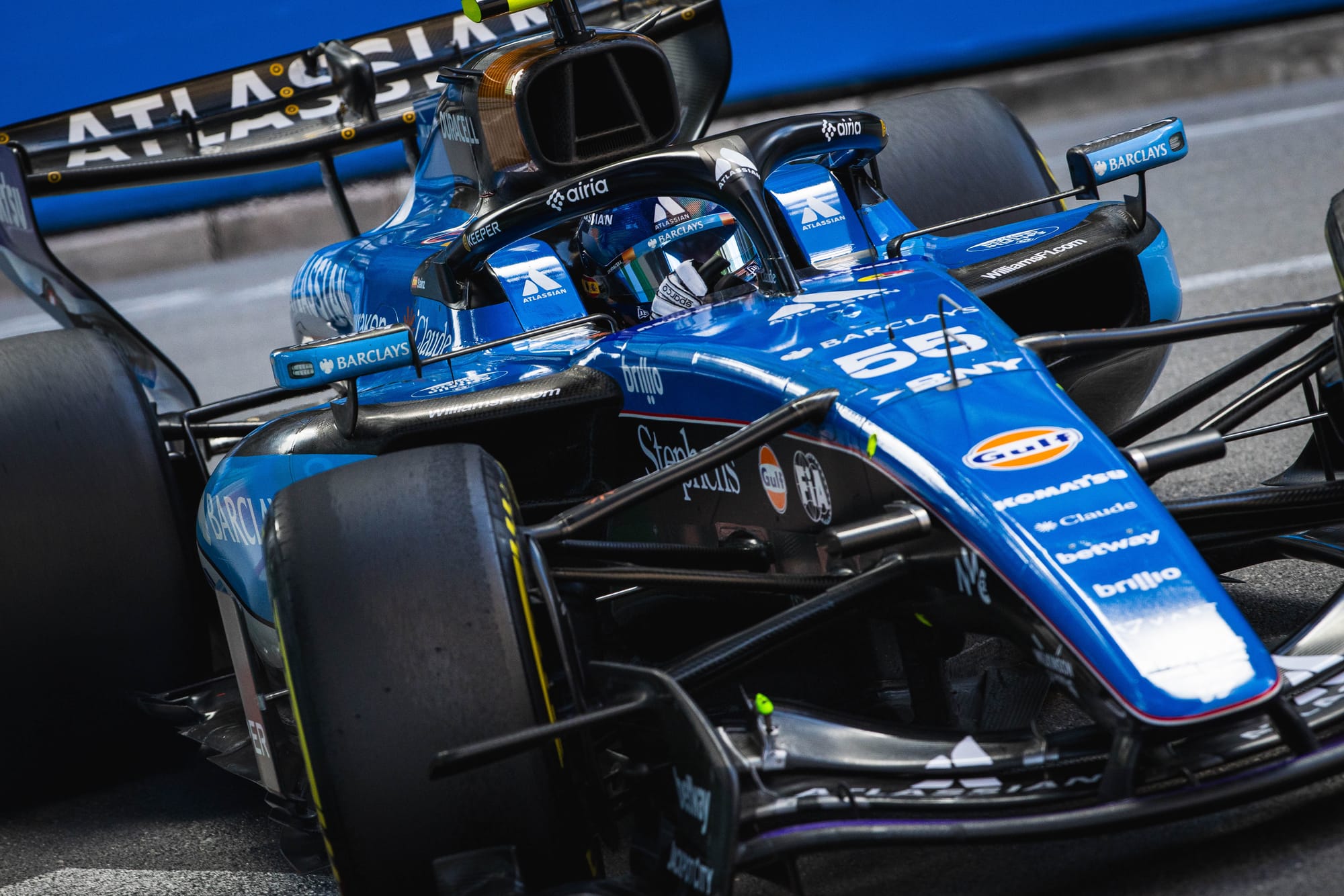
Carlos Sainz ranks fifth in 2026 F1 driver ratings despite Williams running third-slowest
The article's driver rankings placing Sainz fifth overall in 2026 are the number that matters here — they quantify what the eye test already suggests, that he is consistently extracting results at or near the ceiling of a car that is, by average pace, third-slowest on the grid. His own framing of the 2026 regulations as playing to his instinctive style is worth noting: where the ground-effect era forced him to override his natural tendencies, the new cars have let him revert to them, which goes some way to explaining why his pace relative to machinery looks so clean. The Hungary incident with Piastri will follow him, but the article makes a fair point that the hyper-competitive mindset behind that error is the same one producing the performances — at 31, with a multi-year Williams extension signed and no front-running seat available, he has every reason to leave nothing on the table. What this piece really signals is how much the 2026 regulation gap between teams has compressed a driver's ability to make a difference, making strong performances in slow cars almost invisible to casual observers.
Toiling in obscurity down the field in Formula 1 condemns you to the fate of only catching the eye when you make a mistake.Ask most fans about Carlos Sainz's season so far and hitting race leader Osca