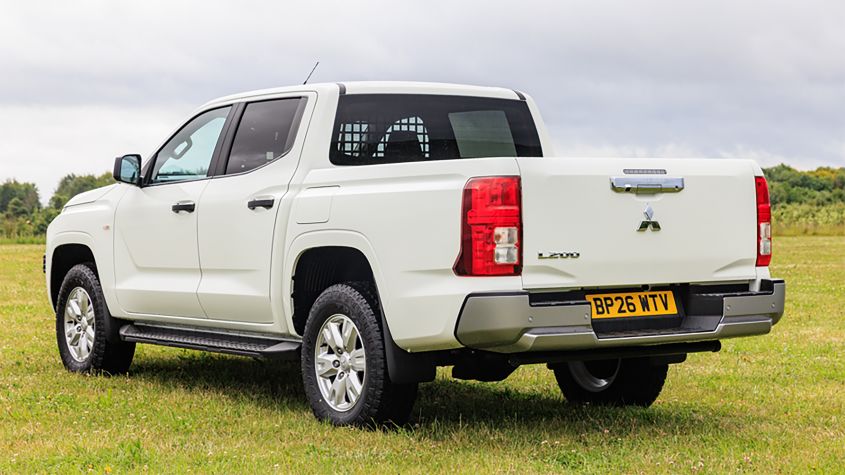
Mitsubishi L200 Commercial loses rear seats for more cargo space and lower tax
The commercial variant exists primarily as a tax play — removing the rear seats shifts the L200 into a different vehicle classification, which carries real financial consequences for business buyers and fleet operators. For anyone running a pick-up as a genuine work tool rather than a lifestyle vehicle, the trade-off is straightforward: you lose passenger flexibility and gain load capacity plus a lower tax burden. It's worth noting that this isn't an engineering reinvention; it's a trim and classification decision that Mitsubishi is making available to buyers who want to optimise the L200 for commercial use rather than dual-purpose duty.
The commercial version of Mitsubishi’s double-cab pick-up truck removes the back seats for some extra capacity